What Buyers Really Want in Homes This Coming Year
22 August 2026
If you have spent any time reading real estate headlines, you already know the usual predictions. Interest rates will shift. Inventory will rise or fall. Some markets will cool while others stay hot. But beneath all that noise, there is a quieter story about what buyers actually care about when they walk through a front door. And that story has changed more in the past three years than in the previous fifteen.
I have sat across the table from dozens of buyers this year, from first-timers in the suburbs to empty nesters downsizing in the city. I have listened to them talk about floor plans, school districts, and commute times. But the real conversation is always about something deeper. It is about control, flexibility, and the fear of making a mistake that costs more than money.
So let me give you an honest picture of what buyers want in the coming year, not from a data sheet, but from the ground level.
The Shift from Square Footage to Function
For a long time, the default answer to "what do you want in a home" was more space. Bigger kitchen island. Larger master suite. An extra bedroom that might become a guest room someday. That mindset has not disappeared, but it has matured.Buyers today are asking a different question. They want to know how a home works, not just how big it is. A 2,500 square foot house with a formal living room that no one uses feels like a waste. A 1,800 square foot house with a flexible den, a mudroom, and a well-placed laundry room feels like a win.
The pandemic taught people that their homes had to do double duty. That lesson stuck. Remote work is not going away entirely, even if some companies are calling people back to the office. So buyers want a dedicated workspace that is not the kitchen table. They want a place where they can close a door and take a call without hearing the dishwasher run. They also want a layout that can adapt as their life changes. A home office that can become a nursery. A dining room that can become a gym. A basement that can become a rental unit.
What this means for sellers and builders is simple. Stop marketing the formal spaces that nobody uses. Instead, highlight how a room can serve multiple purposes. If a bedroom has a closet that could fit a small desk, say so. If the garage has extra ceiling height for a workshop, mention it. Buyers are not looking for a museum. They are looking for a tool that fits their daily routine.
The Home Office Is Now a Deal Breaker
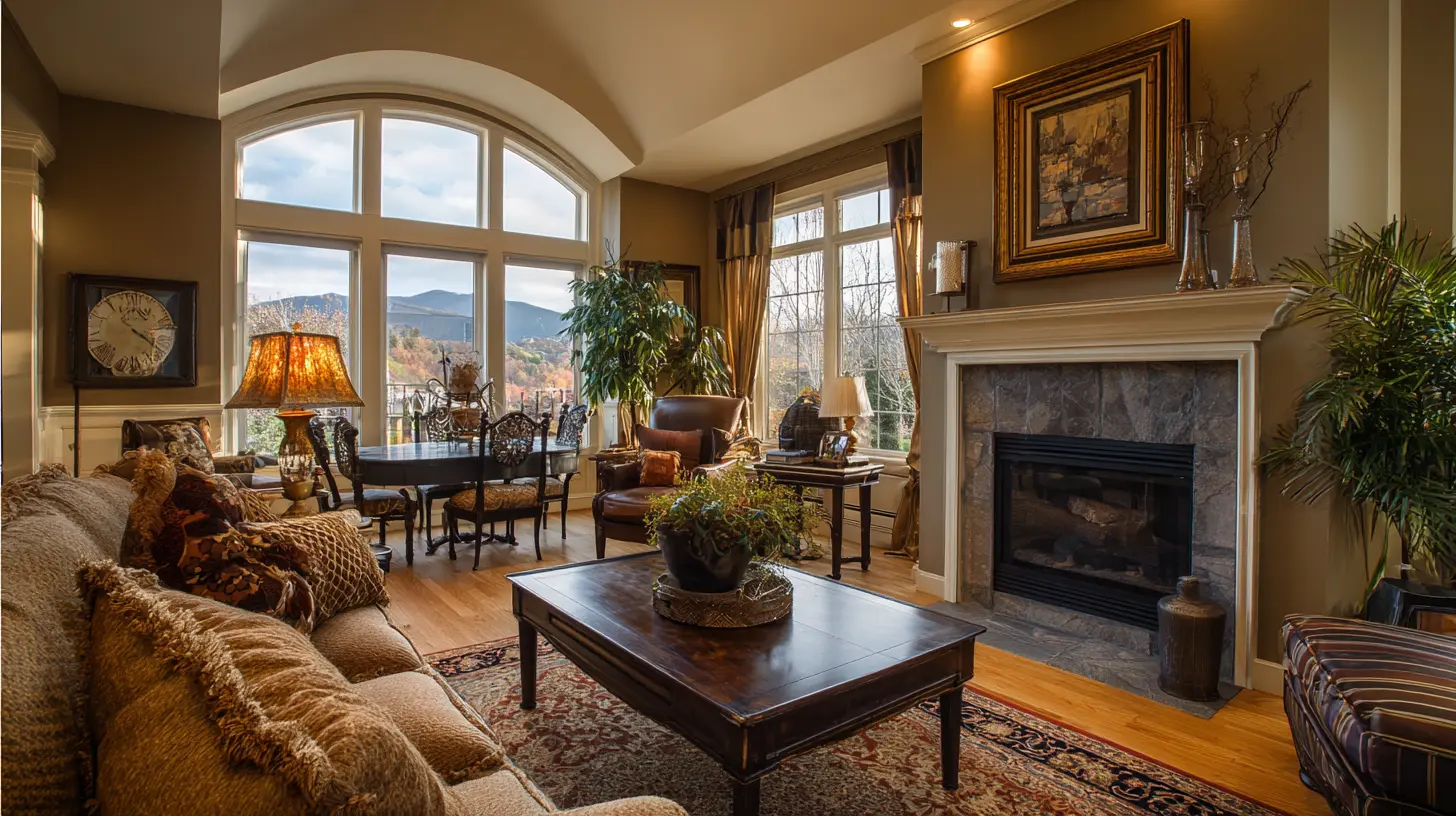
I have seen buyers walk away from otherwise perfect homes because the only place to work was a corner of the living room. That might sound extreme, but it happens. For many professionals, the home office is not a luxury. It is a requirement.The key detail here is not just having a room with a door. Buyers are getting more specific. They want good natural light, because video calls make a dark room look depressing. They want enough electrical outlets, because a laptop, monitor, and printer eat up power. They want a quiet location, preferably not right next to the kids' playroom. And they want a door that actually closes and muffles sound.
If you are selling a home, do not just call the spare bedroom a "bonus room." Show it as a workspace. Stage it with a desk, a comfortable chair, and a simple bookshelf. Let the buyer imagine themselves in that space for eight hours a day. If you are building, make sure the office has its own heating and cooling zone. That small detail can be the difference between a comfortable workday and a miserable one.
There is a trade-off here. A dedicated home office takes away from the total number of bedrooms, which can hurt resale value in some markets. But for the buyer who needs it, the trade is worth it. And in the coming year, I expect more buyers to prioritize function over bedroom count.

Outdoor Space Is No Longer Optional
Before the pandemic, a backyard was a nice extra. Now it is a necessity, but not in the way you might think. Buyers do not just want a patch of grass. They want an outdoor room.That means a patio or deck that can hold a dining table. It means a fence for privacy and for pets. It means some shade, either from trees or a pergola. It means lighting for evening use. And it means low maintenance. The days of wanting a huge lawn to mow every weekend are fading. Buyers want outdoor space they can enjoy, not a chore.
I have seen this shift most clearly with younger buyers. They are not interested in spending their Saturdays on yard work. They want to host a barbecue, let the dog run, and maybe plant a few herbs. If the yard requires constant attention, they see it as a burden.
For sellers, this means you should not neglect the exterior. A well-maintained deck and a simple landscaping plan can add real value. But do not overdo it. A complex garden with rare plants might appeal to a niche buyer, but it can scare off the majority who just want something simple and usable.
Energy Efficiency Moves from "Nice to Have" to "Must Have"
Utility bills are not going down. That is a fact. And buyers are paying attention. Energy efficiency is no longer a talking point for the environmentally conscious. It is a financial decision.Homes with solar panels, high-efficiency windows, and good insulation are selling faster and for more money. That is not a guess. It is a pattern I have observed across multiple markets. Buyers are doing the math. They know that a home with a lower monthly energy bill can justify a slightly higher purchase price.
But there is a nuance. Buyers are also wary of greenwashing. They do not want a house that claims to be efficient but has drafty windows and an old HVAC system. They want proof. That means energy bills from the previous owner, documentation of upgrades, and inspection reports that show the insulation is actually in the attic and not just in the marketing copy.
If you are selling, get an energy audit before you list. It costs a few hundred dollars, but it gives you a concrete report you can share with buyers. If the audit reveals problems, fix the cheap ones, like weatherstripping and attic insulation. Those small investments pay off in buyer confidence.
The Price of Privacy in a Connected World
Here is something that does not show up in most market reports. Buyers are increasingly obsessed with privacy. Not just from neighbors, but from the digital world.They want homes that do not feel like fishbowls. That means windows that are not all facing the street. It means a fence that is tall enough to block sightlines. It means a bedroom that does not share a wall with the neighbor's living room. And it means a home that is not on a busy corner where every passerby can see inside.
This is a shift from the open-concept, glass-walled homes that were popular a decade ago. Buyers still like natural light, but they want control over it. They want curtains that actually block the sun. They want a layout that offers some separation between public and private spaces.
The trade-off is that privacy often costs more. A lot with mature trees, a cul-de-sac location, or a setback from the road all add to the price. But buyers are willing to pay for it. In fact, I have seen buyers choose a smaller home on a private lot over a larger home on a busy street. That choice used to be rare. Now it is common.
The "Good Enough" Kitchen
For years, the kitchen was the star of every home tour. Granite countertops, stainless steel appliances, a massive island. Buyers were told that the kitchen sells the house. That is still true, but the definition of "good enough" has changed.Buyers today are not looking for a chef's dream. They are looking for a kitchen that works without constant maintenance. Quartz has overtaken granite because it does not need sealing. Induction cooktops are gaining popularity because they are easier to clean and safer. And the massive island is being replaced by a more modest one that does not dominate the room.
What buyers really want is storage. Deep drawers for pots and pans. A pantry that can hold a month of groceries. A place for small appliances that does not clutter the counter. They want a kitchen that is functional first and beautiful second.
If you are renovating to sell, do not spend $50,000 on a high-end range. Instead, invest in good cabinet hardware, soft-close drawers, and a smart layout. Those details matter more than a brand name on the oven.
The Garage Is Back
For a while, garages were treated as afterthoughts. People parked in the driveway and used the garage for storage. That is changing.Buyers want a garage that can actually hold a car, maybe two. They want enough room to open the doors without hitting the wall. They want storage racks and a workbench. And increasingly, they want an electric vehicle charger.
This is a practical shift. As more people buy EVs, the ability to charge at home becomes a major selling point. A buyer with a Tesla or a Ford F-150 Lightning will not even consider a home without a charger or the electrical capacity to install one.
Sellers should note that a cluttered garage is a red flag. It suggests there is not enough storage elsewhere in the house. Clean it out, paint the walls, and show that the space is usable. A garage that looks like a junk cave will turn off buyers faster than a dated bathroom.
Location Is Still King, but the Definition Has Changed
Everyone says location matters. That has not changed. But what makes a location desirable has shifted.Buyers are less interested in being close to a downtown core. They are more interested in being close to amenities that matter daily. That means a grocery store within ten minutes. A decent coffee shop. A park where they can walk the dog. A school that is not a nightmare to drop off at.
Remote work has loosened the tie to the office, but it has not eliminated it. Many buyers are looking for a compromise. They want to be within an hour of a major city, but not in the middle of it. They want a quiet street, but not one so remote that delivery services refuse to come.
The mistake I see buyers make is focusing too much on the house and not enough on the block. They fall in love with a kitchen and ignore the fact that the street is a cut-through for traffic. Or they love the yard and forget that the neighbor's property is a rental with constant turnover.
My advice is to drive the neighborhood at different times of day. On a weekday morning, a weekend evening, and a late night. That will tell you more than any listing description.
The Reality of Interest Rates
I cannot write about buyer preferences without mentioning interest rates. They are the elephant in every room. But the truth is more nuanced than the headlines suggest.Higher rates mean higher monthly payments. That is obvious. But they also mean less competition. In many markets, buyers who are ready to move now have more negotiating power than they did two years ago. Sellers are more willing to offer concessions, like covering closing costs or buying down the rate.
The buyers who are succeeding in this environment are not waiting for rates to drop. They are making offers with contingencies that protect them. They are asking for inspections and appraisals. They are not waiving everything to win a bidding war, because there is no bidding war.
If you are a buyer, do not let the rate scare you. Run the numbers on what you can actually afford, including taxes, insurance, and maintenance. If the monthly payment works, the rate is just a number. You can always refinance later. You cannot always find the right home.
The Rise of the "Right-Sizer"
There is a growing group of buyers who are not moving up or down. They are moving "right." These are often empty nesters or younger couples without kids. They do not want a starter home, and they do not want a mansion. They want a home that fits their life exactly.That means two or three bedrooms, not five. It means a single-story layout or a home with the primary suite on the main floor. It means low maintenance, both inside and out. And it means a location that is close to things they actually do, like dining, walking, and socializing.
This group is often overlooked because they are not the typical first-time buyer or the move-up family. But they are a significant force in the market. They have cash, they are serious, and they know what they want.
If you are selling a home that fits this description, target your marketing to this group. Mention the single-level living. Highlight the low-maintenance yard. Emphasize the proximity to restaurants and parks. Do not waste time talking about the school district if the buyer has no kids.
Common Mistakes Buyers Make
I have seen the same mistakes repeat over and over. Here are a few that stand out.First, buyers get emotionally attached to a house before they have done their due diligence. They fall in love with the paint color and the staging, and then they ignore a cracked foundation. That is a costly error.
Second, buyers do not budget for the hidden costs. A home inspection, property taxes, HOA fees, and moving expenses add up quickly. If you are stretching to the top of your budget, you will feel it.
Third, buyers try to time the market. They wait for rates to drop or prices to fall, and they miss out on homes that were within their reach. The truth is that no one can predict the market with certainty. The best time to buy is when you are ready and you find a home that works.
Fourth, buyers skip the home inspection to save money or to make their offer more attractive. That is a gamble that rarely pays off. A few hundred dollars now can save you thousands later.
Common Mistakes Sellers Make
Sellers are not off the hook. They make mistakes too.The biggest one is overpricing. Sellers look at what their neighbor got two years ago and think they deserve the same. But the market has changed. Overpriced homes sit on the market, and the longer they sit, the more buyers wonder what is wrong with them.
Another mistake is skipping the small repairs. A leaky faucet, a cracked tile, a broken light switch. These seem minor, but they signal to buyers that the home has not been maintained. That leads to lowball offers or no offers at all.
Sellers also make the mistake of being present during showings. Buyers cannot imagine themselves in a home if the owner is following them around. Step away. Let the house speak for itself.
Finally, sellers ignore the exterior. Curb appeal is not just about flowers. It is about a clean driveway, a fresh coat of paint on the front door, and a tidy lawn. Buyers make up their minds in the first thirty seconds. Do not give them a reason to doubt.
The Role of Technology in the Search
Online listings are still the starting point, but buyers are getting savvier. They are using virtual tours, drone footage, and 3D floor plans. They are checking property tax records and crime maps. They are joining neighborhood Facebook groups to ask about noise and parking.This is good and bad. It is good because buyers are more informed. It is bad because they can talk themselves out of a great home based on a single bad review or an outdated map.
My advice to buyers is to use technology as a filter, not a final answer. A virtual tour can tell you if the layout is worth seeing in person. It cannot tell you if the neighborhood feels safe at night or if the neighbors are friendly. Those things require boots on the ground.
For sellers, this means your online presence matters. High-quality photos are non-negotiable. But so is an honest description. Do not hide the fact that the kitchen is dated or that the roof is old. Buyers will find out anyway, and they will appreciate your honesty. It builds trust, and trust leads to offers.
What This Means for the Coming Year
Looking ahead, I expect the market to remain competitive but not frantic. Buyers will be selective. They will take their time. They will ask hard questions. And they will not settle for a home that is almost right.The homes that sell will be the ones that offer genuine value. That means a functional layout, a usable outdoor space, energy efficiency, and a location that fits the buyer's lifestyle. It also means a fair price. Sellers who are realistic will do well. Sellers who are greedy will wait.
For buyers, the coming year is a chance to be patient. There will be more inventory than there was a few years ago. There will be less pressure to make an offer on the spot. Use that to your advantage. Do your homework. Visit homes at different times of day. Talk to the neighbors. And do not be afraid to walk away if something feels off.
The right home is out there. It might not look like the one you imagined, and it might not be in the neighborhood you originally wanted. But if it works for your life, if it gives you a sense of peace and control, then it is the right home.
That is what buyers really want. Not just a house. A place where they can breathe.
all images in this post were generated using AI tools
Category:
Selling A HomeAuthor:

Lydia Hodge